If you are dreaming of a getaway that feels plucked straight from a fairytale, look no further than the Shawnee Forest Waterfall Retreat in Eddyville, Illinois. Nestled on 20 acres of mixed woods and prairie that borders the expansive Shawnee National Forest, this enchanting sanctuary is the perfect escape for families, friend groups, or anyone seeking a peaceful recharge in nature. You can check prices and availability right here.
A Sanctuary Surrounded by Beauty
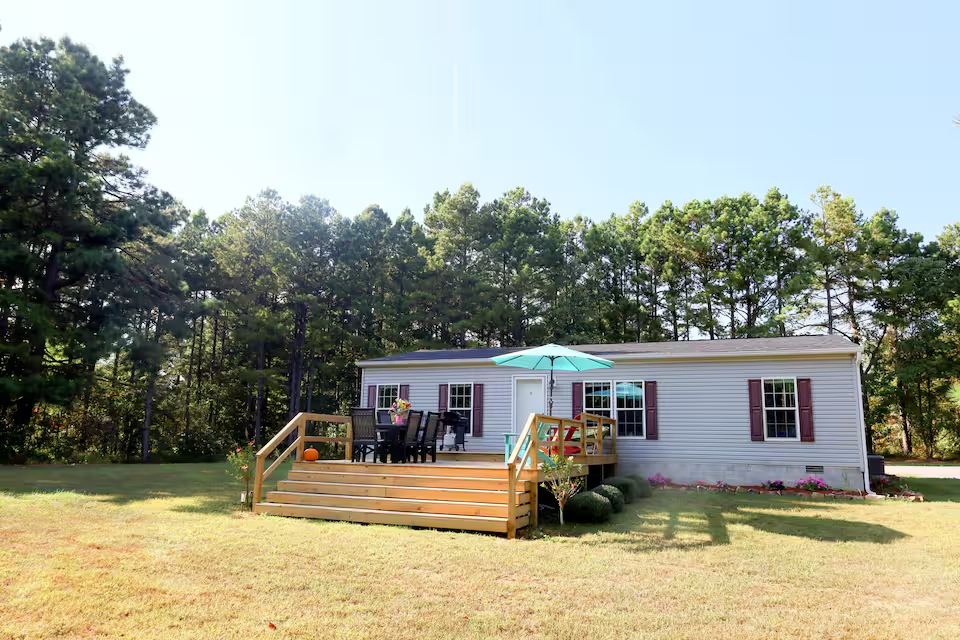
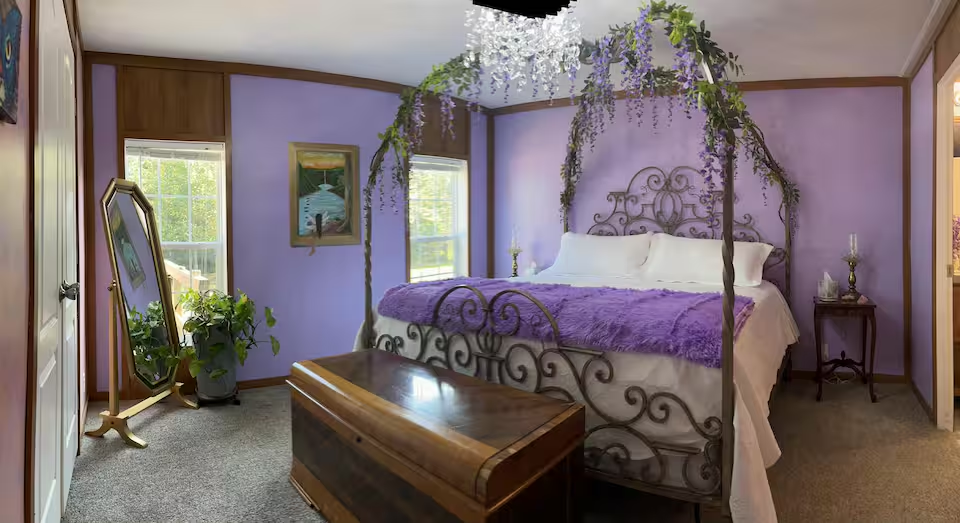
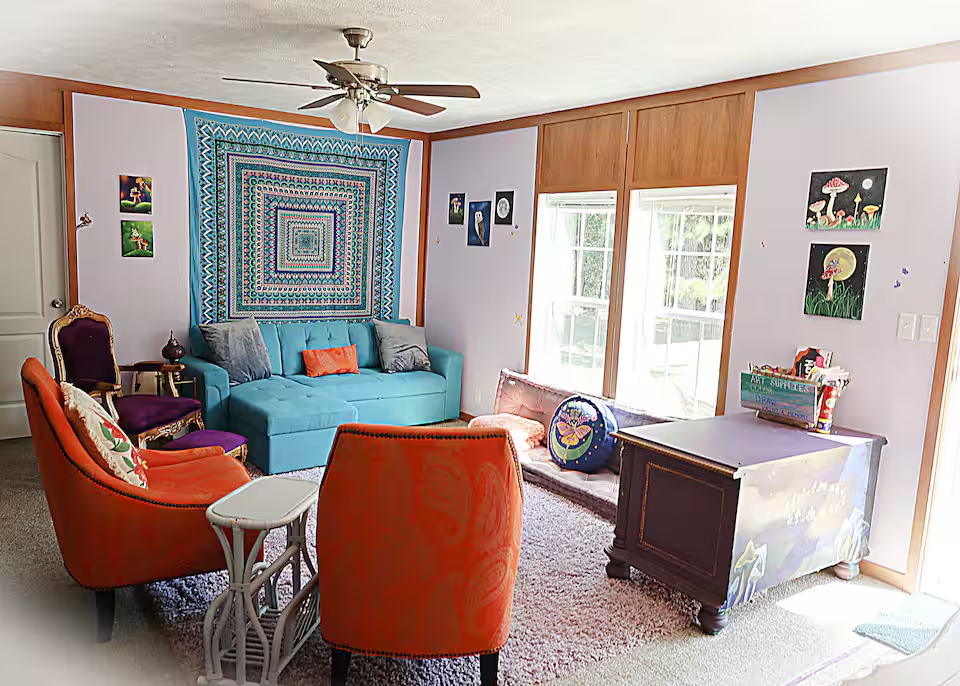
The retreat is more than just a place to stay—it is an immersive experience. Featuring delightful hand-painted surprises tucked into every corner, the home offers a touch of whimsy in every room. With three bedrooms and four beds (two king beds, one queen bed, and a sofa bed in the living room), this spacious home comfortably accommodates up to six guests (with living room seating for eight), ensuring everyone has plenty of room to relax and unwind across its two bathrooms.
Adventure Right at Your Doorstep
For those who love the outdoors, the location is truly unbeatable. You are mere minutes away from some of Southern Illinois’ most iconic natural wonders, including:
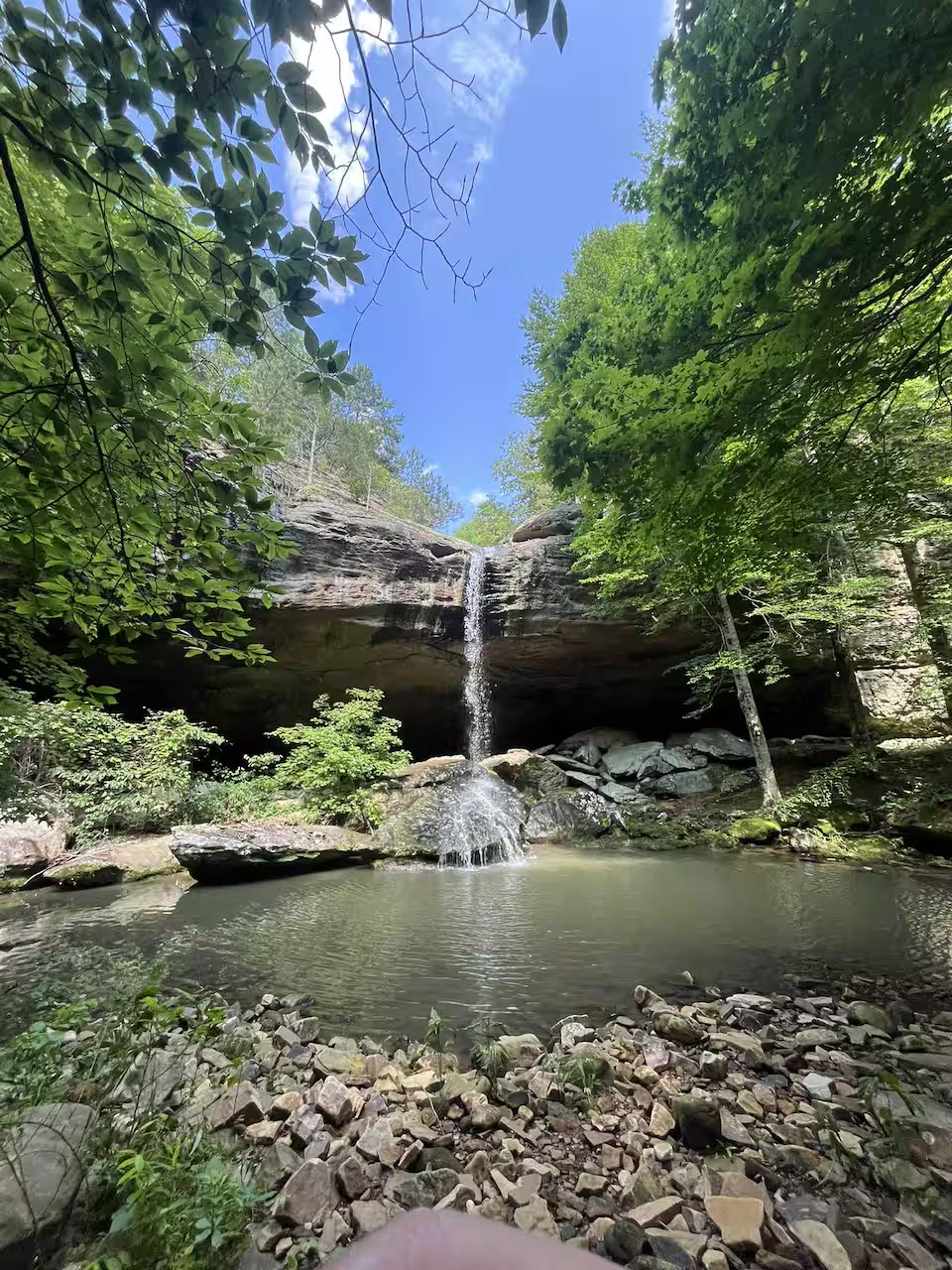
Stunning Waterfalls: Discover the beauty of Burden Falls, Jackson Falls, and Jackson Hole.
Iconic Landscapes: Explore the towering cliffs and scenic vistas of Garden of the Gods, Bell Smith Springs, and Millstone Bluff.
Endless Activities: Whether you want to hike, climb, or simply enjoy a quiet stroll through the 20 private acres—which include a small creek and paths—you are surrounded by world-class trails.
The Ultimate Nature Escape
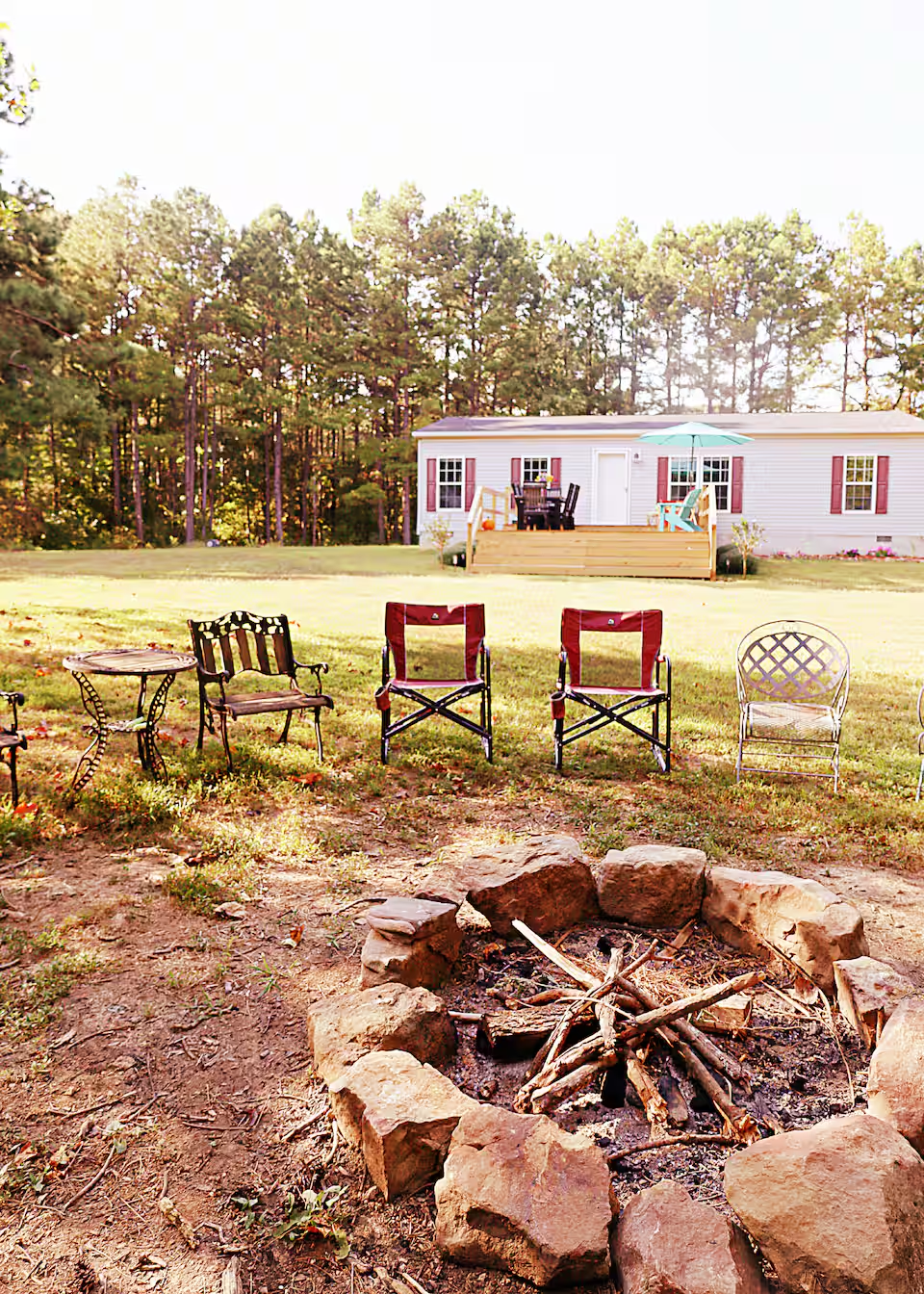
After a day of exploring, you can head back to your private haven to watch the stars shine bright. Whether you are gathering around the outdoor fire pit (with s’mores kits provided!), enjoying a meal, or singing your heart out with the provided karaoke machine, this retreat provides the magical atmosphere that makes for an unforgettable vacation.
Ready to start your next Mainstream Adventure? This hidden gem in Eddyville is waiting to provide the backdrop for your most cherished memories.
You can check prices and availability right here.